Termites are tiny insects, but the damage they cause can be massive. One of the most common questions homeowners ask is — what causes termites in a home or apartment?
The truth is, termites do not appear randomly. Certain conditions inside and around your home attract them. Understanding these causes can help you prevent costly repairs and long-term structural damage.
In this detailed guide, we will explain what causes termites, how they enter homes, common risk factors, early warning signs, and practical prevention tips.
Understanding Termites: Why Are They So Destructive?
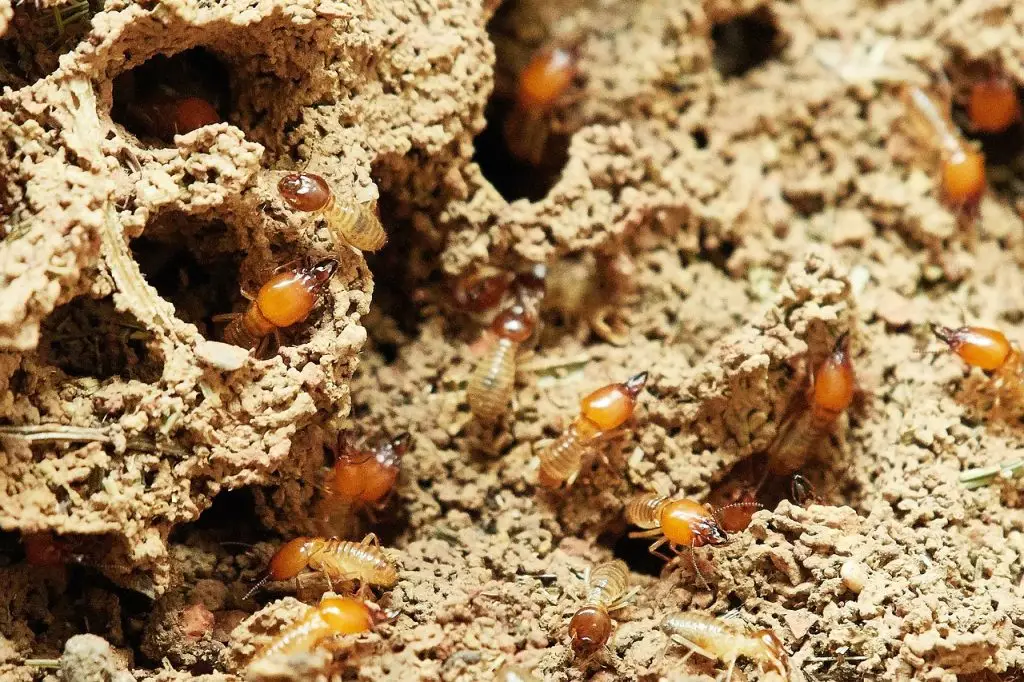
Termites are wood-eating insects that feed on cellulose, which is found in wood, paper, cardboard, and even some fabrics. They live in large colonies and work 24/7, silently damaging your home from the inside.
This is why knowing what causes termites in houses and apartments is critical for early prevention.
Top Causes of Termites in a Home or Apartment
1. Excess Moisture and Damp Conditions
Moisture is one of the biggest reasons termites infest homes.
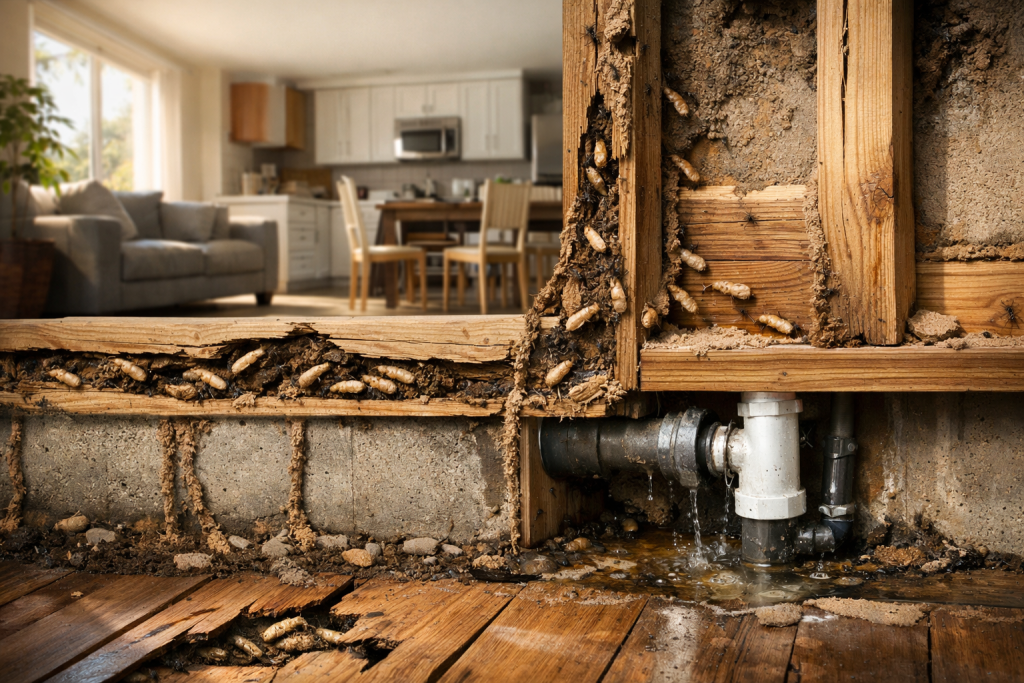
Termites thrive in damp, humid environments. Leaking pipes, roof leaks, clogged drainage systems, and poor ventilation create perfect breeding grounds for termites.
Common moisture sources include:
- Leaking bathroom and kitchen pipes
- Damp basements and crawl spaces
- Poor drainage around building foundations
- Air conditioning condensation
- Water seepage from walls
2. Wooden Structures and Furniture
Homes with heavy wooden construction are more prone to termite attacks. Termites feed on:
- Wooden doors and window frames
- Wooden flooring
- Plywood furniture
- Cupboards and wardrobes
- Wall panelling
Even small cracks in wood can provide easy entry points for termites.
3. Soil Contact with Building Foundation
Subterranean termites — the most destructive termite species — live in soil and build mud tunnels to access food sources.
When your building foundation has direct soil contact, termites can easily enter through:
- Cracks in foundation walls
- Gaps around plumbing lines
- Expansion joints
- Construction gaps
This is one of the main reasons ground-floor apartments and independent houses face higher termite risk.
4. Poor Ventilation
Poor airflow traps humidity inside walls, under floors, and in storage areas. This moisture encourages termite infestation.
Common poorly ventilated areas include:
- Closed storerooms
- Basements
- Under staircases
- False ceilings
- Tight crawl spaces
Without proper air circulation, moisture builds up — creating an ideal habitat for termites.
5. Cracks and Structural Gaps
Even tiny cracks can act as entry points for termites.
They enter homes through:
- Foundation cracks
- Gaps near doors and windows
- Plumbing pipe openings
- Electrical conduit gaps
- Wall joints
Once inside, termites can spread rapidly throughout the structure.
6. Stacked Firewood and Wooden Waste
If you store firewood, wooden crates, cardboard boxes, or construction debris near your home, you are unknowingly inviting termites.
Termites first infest these materials and then slowly migrate into your home.
This is why keeping wood away from your house foundation is a key termite prevention strategy.
7. Old Construction and Aging Buildings
Older homes often have:
- Weakened wood
- Worn-out waterproofing
- Cracked walls
- Aging plumbing
All these factors increase the chances of termite infestation. Apartments older than 8–10 years require regular termite inspections and preventive treatments.
How Do Termites Enter Homes and Apartments?
Termites are sneaky invaders. They typically enter through:
- Underground mud tunnels
- Wall cracks
- Expansion joints
- Plumbing entry points
- Electrical duct openings
Flying termites (called swarmers) can also enter through open windows, balconies, and ventilation openings.
Once inside, they quietly build colonies and begin feeding on wooden structures.
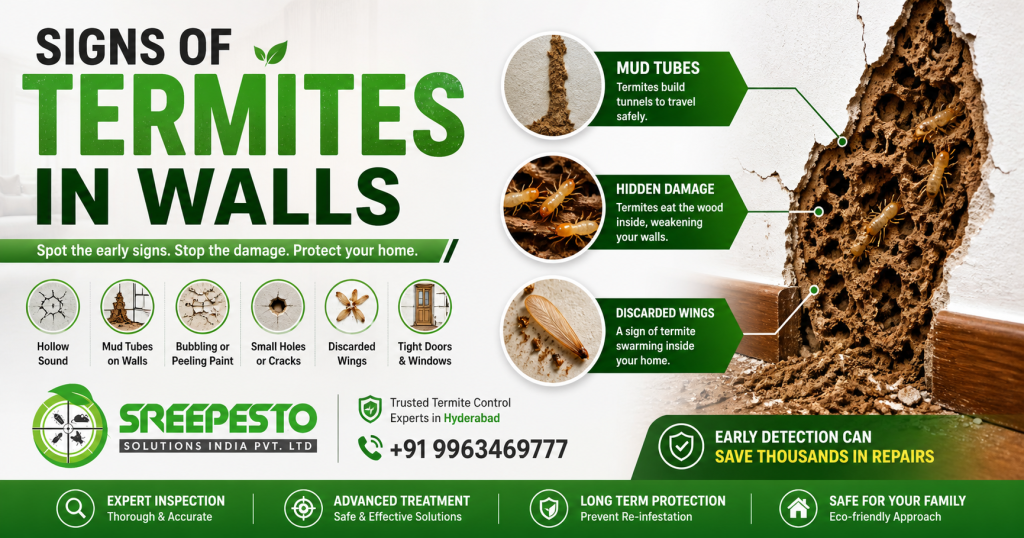
Early Warning Signs of Termite Infestation
Recognizing early signs can save you from major expenses.
Look out for:
- Hollow-sounding wood
- Mud tubes on walls or corners
- Discarded wings near windows
- Blistering paint
- Sagging wooden floors
- Tiny holes in wooden furniture
If you notice any of these signs, immediate professional inspection is highly recommended.
Why DIY Termite Control Does Not Work
Many homeowners try DIY sprays or home remedies, but termites live deep inside walls and underground.
DIY solutions:
- Kill only visible termites
- Do not destroy the colony
- Fail to provide long-term protection
Professional termite treatment uses advanced chemicals, drilling methods, and soil treatment techniques that eliminate entire colonies from their roots.
Types of Professional Termite Treatments
- Pre-Construction Anti-Termite Treatment
- Post-Construction Termite Treatment
- Soil Treatment
- Wood Treatment
- Chemical Barrier Application
Each method is customized based on building type, infestation level, and construction structure.
Why Professional Termite Control Is Essential
Termites can cause lakhs of rupees in damage if ignored. Professional termite control ensures:
- Complete colony elimination
- Long-term protection
- Safe chemicals for families and pets
- Warranty-backed services
- Structural safety
Final Thoughts: Do not Let Termites Destroy Your Home
Understanding what causes termites in a home or apartment is the first step toward prevention. Moisture, wood, soil contact, cracks, and poor ventilation are the main triggers that invite termite infestations.
Regular inspections and professional termite treatments are the most reliable ways to protect your home and investment.
Protect Your Home with Sreepesto Solutions, Hyderabad
If you suspect termite activity or want preventive treatment, trust the experts at Sreepesto Solutions, Hyderabad.
With years of experience, advanced treatment methods, and eco-friendly solutions, Sreepesto Solutions provides complete termite control services for homes, apartments, villas, and commercial properties.